Summer Heatstroke Prevention: Symptoms, First Aid & 2 Cooling Soup Recipes

Summer is here, and it's the season when even the slightest bit of outdoor activity can lead to profuse sweating. Those working indoors can use air conditioning or fans without worrying about heatstroke, but what should those who need to work outdoors do? I can think of ways to avoid heatstroke: using ice packs, wearing external ventilation devices, or staggering work hours during hot weather. I hope workers and employers will consider these tips.
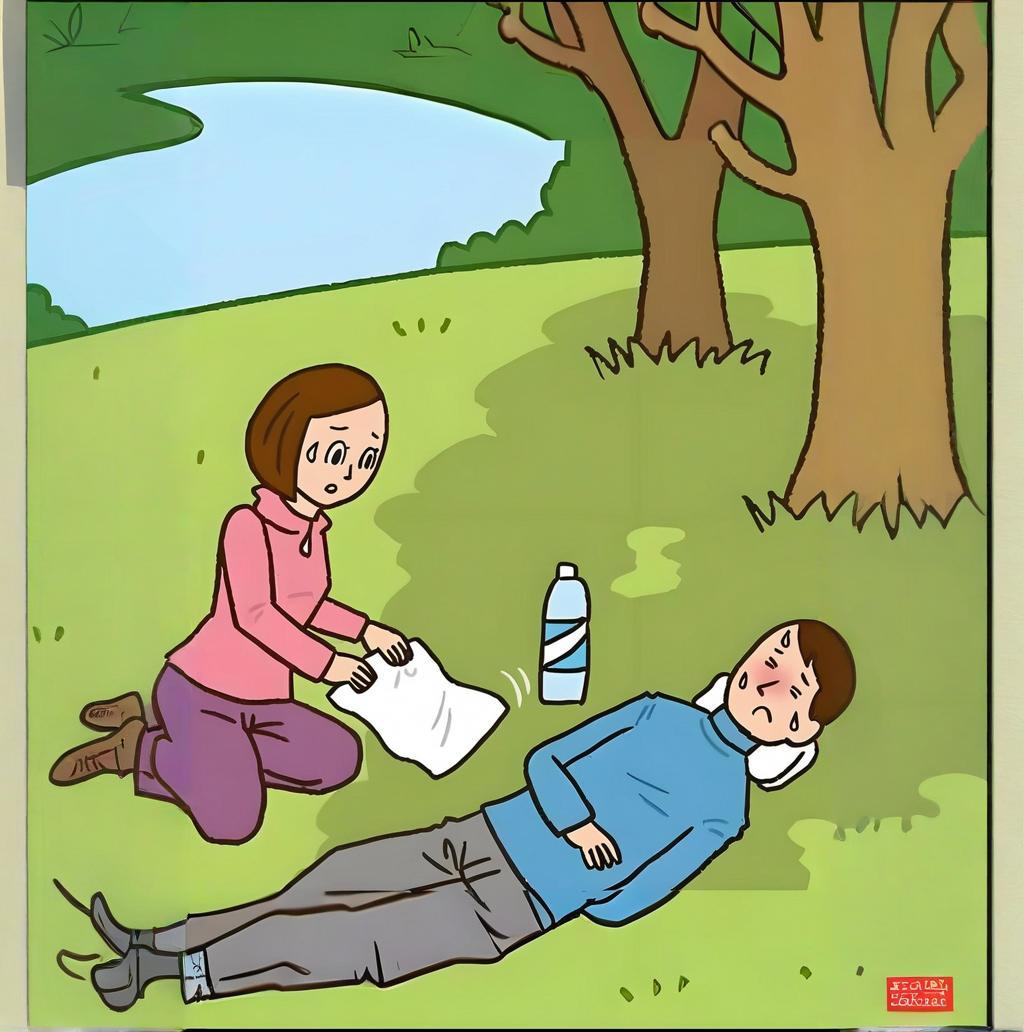
Heatstroke is no small matter; severe cases can result in casualties. Below, we'll explain the symptoms of heatstroke. If you experience these symptoms, seek prompt medical attention to avoid wasting valuable time.
Heatstroke can be divided into three stages: pre-heatstroke, mild heatstroke, and severe heatstroke.
(1) Profuse sweating, cold and clammy skin;
(2) Dizziness, headache, and loss of concentration;
(3) Weakness in the limbs and slow movements;
(4) Mild nausea and occasional vomiting;
(5) Normal or slightly elevated body temperature (≤37.5°C).
Immediately move to a cool place, replenish water containing salt (such as electrolyte drinks), and rest for 30 minutes to relieve the symptoms.
(1) Increased body temperature (38°C-40°C), hot, dry or flushed skin;
(2) Rapid heartbeat (pulse > 100 beats/minute);
(3) Severe headache, with possible temporary confusion;
(4) Nausea and vomiting, muscle cramps (such as calf cramps);
(5) Decreased urine volume and darker urine color.
(1) Wipe the body with cold water (focus on the neck, armpits, and groin);
(2) Drink light salt water (1.5g salt per 500ml water);
(3) If there is no improvement after 30 minutes, seek medical attention immediately! ! !
(1) Core body temperature > 40℃, dry skin without sweat;
(2) Impaired consciousness (coma, convulsions, incoherent speech);
(3) Multiple organ failure:
Liver: jaundice, coagulation abnormalities.
Kidney: oliguria/anuria (acute renal failure).
Heart: hypotension, shock.
(4) DIC (disseminated intravascular coagulation): systemic bleeding tendency.
(1) Golden 30 minutes: immediately cool down with ice water or ice blanket (target: body temperature <38.5℃ within 1 hour);
(2) Do not drink water (to prevent aspiration and suffocation), lie on your side to keep the airway open;
(3) Call the emergency number and explain that "suspected heat stroke" is the priority!
Heatstroke is not a trivial matter. For outdoor workers, people with high blood pressure, and those with difficulty sweating, it must be taken seriously. To prevent heatstroke, I have prepared 2 soups that can be made at home. They are very suitable for summer and can effectively reduce the possibility of heatstroke.

100g mung beans, 20g dried lilies (50g fresh lilies), and appropriate amount of rock sugar.
(1) Soak mung beans for 2 hours in advance and soak dried lilies (fresh lilies can be washed);
(2) Add 1.5L of water to the mung beans and bring to a boil over high heat, then reduce to low heat and simmer for 30 minutes until they bloom;
(3) Add the lilies and simmer for another 15 minutes, then add rock sugar to taste;
(4) Let cool and drink. You can refrigerate but not exceed 4 hours.
Mung beans: Rich in potassium and B vitamins, they can replenish electrolytes lost through sweat;
Lilies: Contain alkaloids, which can calm nerves and fight "heat and irritability";
Traditional Chinese medicine believes that these two properties are cold and can relieve summer heat.

2 tomatoes, 5g seaweed, 2 eggs, a few drops of sesame oil.
Instructions:
(1) Peel the tomatoes and dice them, tear the dried seaweed into small pieces.
(2) Bring 500ml of water to a boil, add the tomatoes and cook until soft.
(3) Add the seaweed and cook for 1 minute, then pour in the egg liquid.
(4) Turn off the heat, add sesame oil, sprinkle with chopped green onions, and add appropriate amount of salt according to personal taste.
Heatstroke prevention principle:
(1) Tomatoes: Lycopene is a powerful antioxidant that reduces high-temperature oxidative damage.
(2) Seaweed: Seaweed contains magnesium and iodine, which can prevent electrolyte disorders in summer.
(3) Eggs: Eggs provide complete protein.
Now, two simple and easy-to-make soups are ready. You can make them at home.
Heatstroke in summer is a very serious problem. We must pay attention to it, detect it early, and solve it early to avoid delaying the golden time for treatment.