Millet Porridge Benefits for Gastritis: Nutrition Facts & Stomach Health Tips

I wonder if you have ever had millet porridge. Well-cooked millet porridge is suitable for almost all age groups. Moreover, if you use high-quality millet and cook it slowly, you will like it more and more. Because it has a kind of smoky aroma that is endless aftertaste. Millet porridge is not only edible by normal people, but also by some patients. Especially for people with stomach problems, there are restrictions on what they can eat. However, for patients with excessive gastric acid and acute gastritis, millet porridge is a very good food. So why is it effective for patients with excessive gastric acid and acute gastritis?
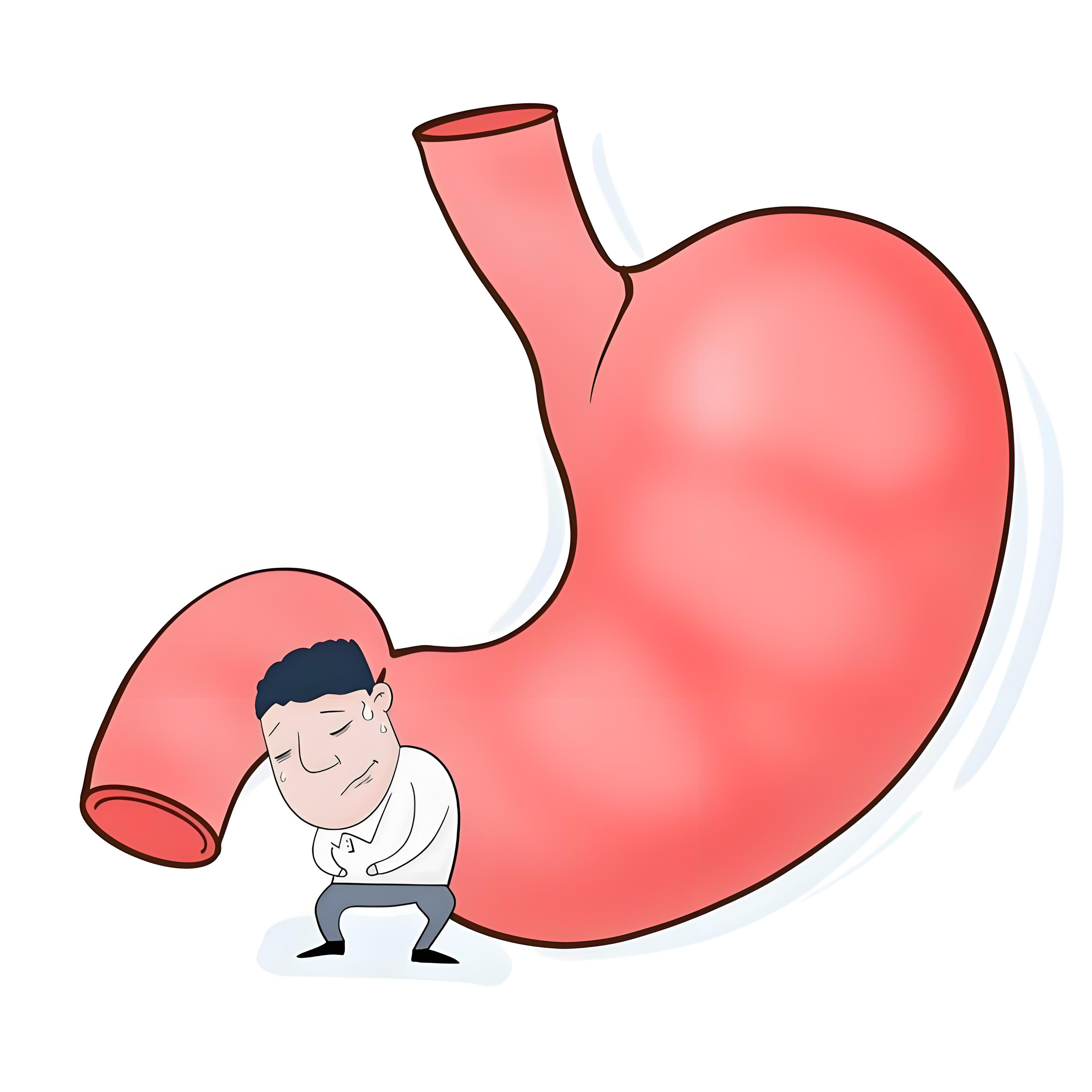
(1) Low fiber, soft texture: After millet porridge is cooked, the starch is gelatinized, which is easier to digest than rice and whole grains. It is suitable for patients with excessive gastric acid and acute gastritis.
(2) Comparative data: The dietary fiber content of millet (1.6g/100g) is lower than that of coarse grains (3.4g/100g), and it has less irritation to the gastric mucosa.
(3) Mildly neutralizes stomach acid: Millet porridge is weakly alkaline (pH ≈ 7.5-8.0), which can temporarily neutralize excess stomach acid and relieve heartburn and acid reflux symptoms.
(1) Quickly replenish energy: Millet contains carbohydrates (75g/100g). After cooking, the sugar is easily absorbed, making it suitable for short-term nutritional supplementation for people who have undergone surgery or have indigestion.
(2) Rich in B vitamins: Vitamins B1 and B2 help repair the gastric mucosa, but some nutrients will be lost when cooking porridge (it is recommended to eat it with the soup).
Millet porridge is delicious, but you should also pay attention to not drinking millet porridge all the time when you are not sick. It must be paired with other vegetables, eggs, meat, etc. Only in this way can the nutrition be balanced without lacking certain nutrients.
For patients with excessive gastric acid or acute gastritis, you must pay attention to nourishing your stomach after the disease. The following are a few directions for your reference.
(1) Excessive stomach acid → Eat alkaline foods (soda crackers, steamed buns);
(2) Poor gastric motility → Eat small meals frequently + chew digestive enzymes (such as papaya).
(1) Each meal should include protein (such as fish, tofu) + dietary fiber (such as boiled carrots).
(2) Avoid habits that hurt the stomach:

Do not drink coffee or strong tea on an empty stomach, and do not rely too much on liquid food.
Although millet porridge has an auxiliary effect on patients with excessive stomach acid and acute gastritis, it is not enough to just drink millet porridge. It should be combined with other foods to achieve a balanced nutrition. It is best to pay attention to protecting your body and organs at ordinary times, and do not think about maintenance when you are sick.