Indigestion, High Blood Lipids & Winter Dryness: Symptoms, Risks & Prevention

Do you experience abdominal pain and bloating after meals? Do you experience dizziness, headaches, chest tightness, and fatigue? Do you frequently experience sore throat, dry mouth, dry nose, bleeding, or dark urine in the fall and winter? If you experience any of these symptoms, be cautious. They may lead to indigestion, elevated blood lipids, and autumn and winter dryness. Below is a detailed explanation of the clinical manifestations of these three conditions.
upper abdominal discomfort or pain (worsened after meals), early satiety (feeling full after a small meal), post-meal bloating, belching, nausea, or acid reflux, and occasional diarrhea or constipation.
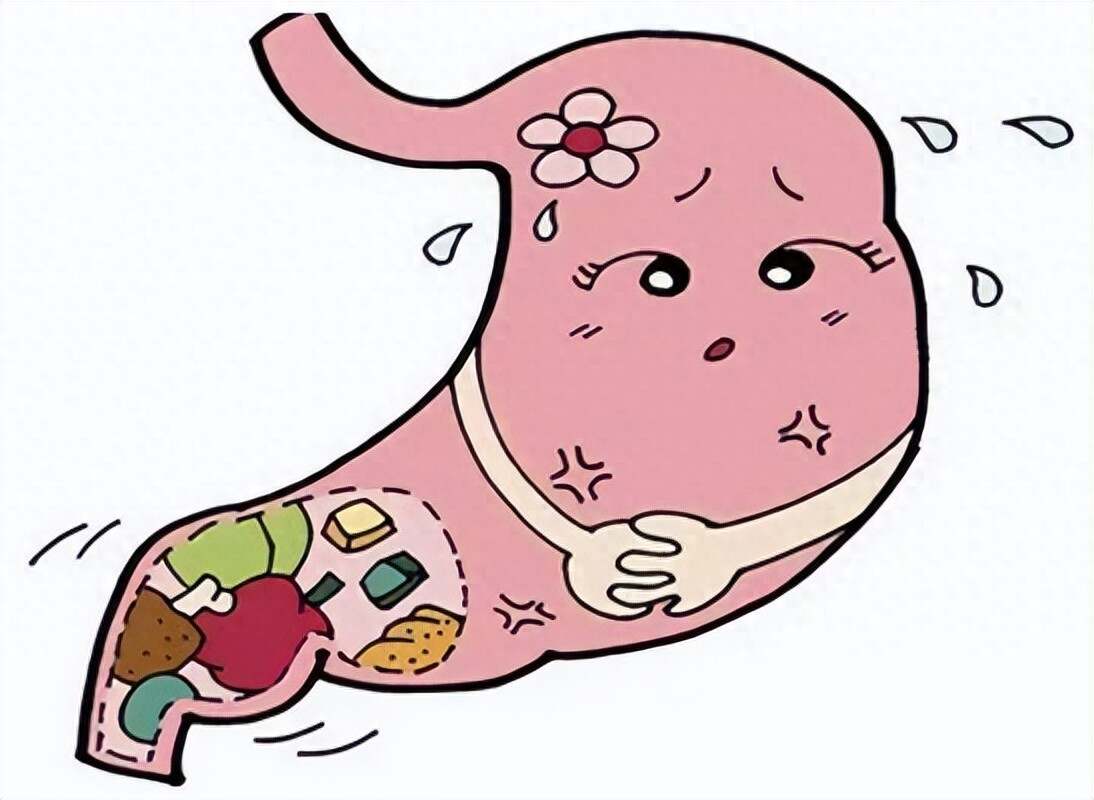
chronic malnutrition, gastroesophageal reflux disease (which may lead to Barrett's esophagus), peptic ulcers, and psychological issues such as anxiety and depression (if symptoms persist), and can mask more serious conditions (such as gastric cancer or pancreatitis).
▫️ Dietary factors: Overeating, greasy/spicy foods, excessive caffeine/alcohol intake
▫️ Lifestyle habits: Eating too quickly, lying down immediately after meals, lack of exercise
▫️ Psychological factors: Stress, anxiety, depression
▫️ Medication effects: NSAIDs such as aspirin/ibuprofen, certain antibiotics
▫️ Pathological factors: Gastritis, gastric ulcers, Helicobacter pylori infection, gallbladder disease, etc.
I don't know if the above factors apply to your lifestyle. If so, please make adjustments immediately to maintain a healthy body.
xanthomas (yellow nodules on the eyelids/joints), circumflex cornea (grayish-white ring around the edge of the eyeball), dizziness/fatigue (increased blood viscosity), and numbness in the limbs (inadequate blood supply due to narrowed blood vessels).

cardiovascular system: atherosclerosis → angina pectoris/myocardial infarction; cerebrovascular: cerebral infarction/transient ischemic attack; pancreatic: acute pancreatitis (especially when triglycerides are >5.6 mmol/L); peripheral vascular: intermittent claudication/lower limb gangrene.
▫️ Uncontrollable Factors
• Genetics (such as familial hypercholesterolemia)
• Age (men over 45 and women over 55 have an increased risk)
▫️ Controllable Factors
• Diet: Excessive intake of saturated fats (organ meats, fried foods) and trans fatty acids
• Metabolic: Obesity (especially abdominal obesity), underlying conditions such as diabetes/hypothyroidism
• Habits: Smoking, alcoholism, and lack of exercise
• Medication: Long-term use of glucocorticoids/contraceptives
We can't change uncontrollable factors, but we should pay attention to those that are controllable, changing bad habits and taking action where we can.
Skin reactions: itching and scaling (most noticeable on the calves and arms), chapping (especially on the fingertips and heels), and deepening fine lines; Mucosal discomfort: nasal dryness and bleeding, dry throat and cough (worsened in the morning), dry eyes and a foreign body sensation; Static electricity: frequent discharge from clothing and doorknobs, causing frizzy hair; Respiratory system: dry cough without sputum, and increased allergic rhinitis.

Damaged skin barrier → triggering eczema/atopic dermatitis; increased risk of recurrence of chronic pharyngitis/bronchitis; progressive dry eye syndrome (severe cases can lead to corneal damage); and increased blood viscosity (cardiovascular and cerebrovascular patients should be vigilant).
▫️ Environmental Factors
• Sudden drop in humidity (indoor humidity in northern China is often <30% after heating)
• Cold air stimulation (accelerates moisture evaporation from the skin)
▫️ Human Factors
• Excessive cleansing (hot showers with alkaline shower gels)
• Misuse of heating equipment (continuous use of electric blankets or tanning booths)
• Insufficient water intake (diminished thirst in winter leads to less voluntary water intake)
▫️ Physiological Mechanisms
• Decreased sebum secretion (for every 1°C drop in temperature, sebaceous gland activity decreases by 10%)
• Decreased stratum corneum moisture content (on average, 15-20% lower in autumn and winter than in summer)
After considering the above factors, the only factors we can control are human factors. For the sake of our own health, we should do as much as we can.
This concludes the introduction to the three symptoms at the beginning of this article. I wonder if you've taken them to heart. Based on the above causes, you can make some changes for your own health. Next, I'll introduce a medication-free method to improve your health. This recipe is Apple Hawthorn Rock Sugar Water.
The recipe is simple, and the ingredients are readily available: apples, hawthorns (dried or fresh), and rock sugar. Let's take a closer look at the ingredients and how to make them:
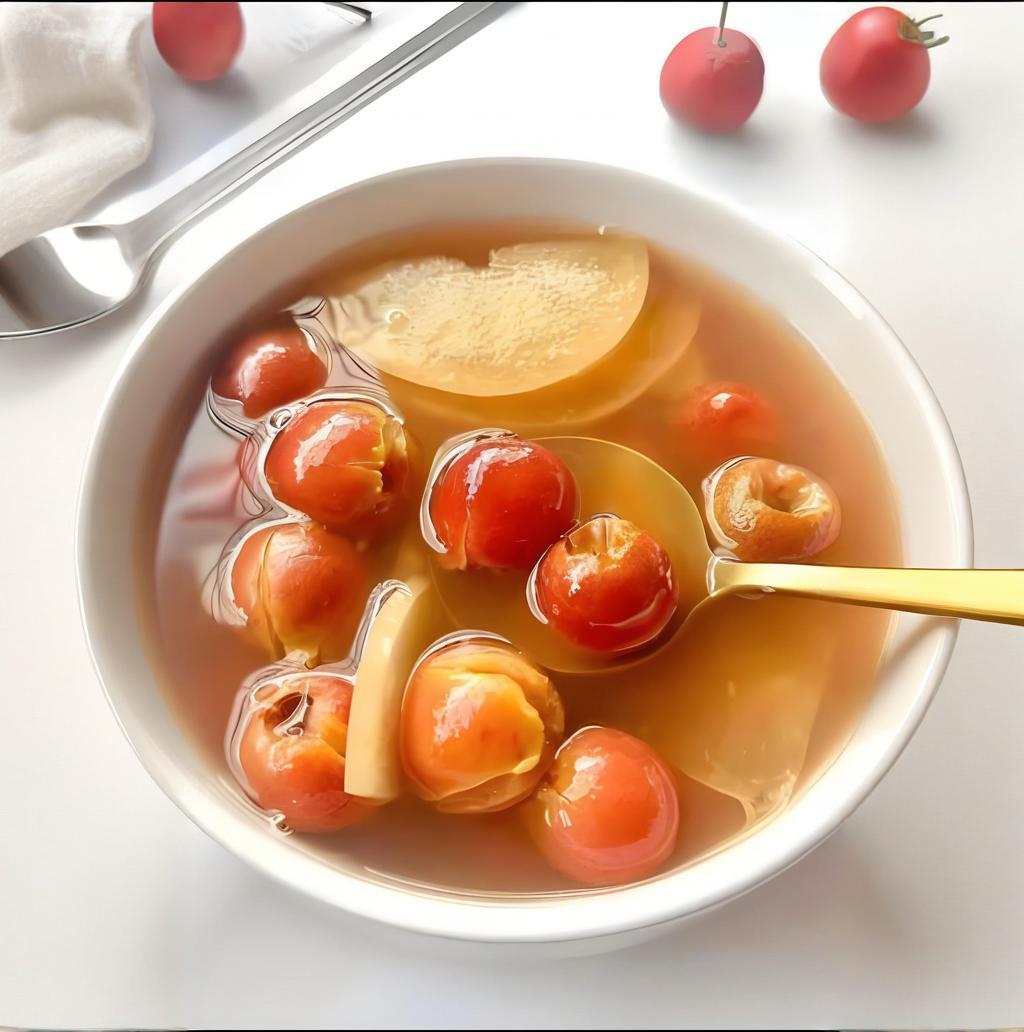
1 apple, 10g dried hawthorns (or 5 fresh hawthorns), appropriate amount of rock sugar (about 10g), 500ml water.
(1)Peel and cut the apple into pieces, and core the hawthorns.
(2)Add water, bring to a boil, then simmer for 15 minutes.
(3)Add the rock sugar until dissolved.
(4)Recommended: Drink 2-3 times a week, one hour after a meal, to aid digestion.
Doesn't it seem simple enough to make at home anytime? But what are its specific benefits? And what's the basis for its claims? Don't worry, read on, and I'll explain it to you in detail.
Hawthorn: Rich in organic acids (such as citric acid and malic acid) and hawthorn flavonoids, hawthorn can stimulate gastric acid secretion, promote fat and protein digestion, and relieve bloating and loss of appetite.
Apple: Contains pectin and dietary fiber, which aid in intestinal motility and relieve constipation.
Suitable for: Those experiencing indigestion and bloating after greasy foods.
Research Support: Hawthorn extract can enhance pepsin activity, improving digestion efficiency.
Apple pectin can promote the proliferation of probiotics and improve the intestinal microbiome.
Hawthorn: Components such as hyperoside and quercetin can inhibit cholesterol synthesis, helping to lower triglycerides and low-density lipoprotein (LDL) (bad cholesterol).
Apple: Contains polyphenols, which reduce lipid oxidation and provide cardiovascular protection. Suitable for: Those with high blood lipids, obesity, or a greasy diet.
Research Support:
Clinical trials have shown that hawthorn extract can lower total cholesterol by 10%-15% (European Journal of Pharmacology).
Rock sugar: It has a mild nature and moistens the lungs, relieving dry coughs and a dry throat.
Apple: Contains vitamin C and antioxidants, which enhance respiratory immunity.
Suitable for: Those with dry coughs and dry throats in autumn and winter (but not for coughs caused by wind and cold).
Apple: Rich in vitamin C, potassium, and polyphenols, it provides antioxidant benefits and boosts immunity.
Hawthorn: Contains 2-3 times more vitamin C than lemons (53mg per 100g).
Rock sugar: Provides a small amount of energy and improves taste.
Hawthorn: Contains flavonoids that can slightly dilate blood vessels and help stabilize blood pressure.
Apple: High in potassium, it helps balance sodium levels in the body and prevent hypertension.
Research supports this:
Long-term consumption of hawthorn water can lower systolic blood pressure by 5-10 mmHg (Evidence-Based Complementary and Alternative Medicine).
Use with caution for those with excessive stomach acid: Hawthorn is highly acidic and may aggravate acid reflux and heartburn.
Control sugar intake for diabetics: Rock sugar raises blood sugar levels quickly; a sugar substitute (such as monk fruit candy) can be used instead.
Use moderately for pregnant women: Hawthorn may stimulate uterine contractions and is not suitable for pregnant women.
Now, we've introduced the symptoms, causes, and simple treatment options for indigestion, high blood lipids, and autumn and winter dryness. However, this treatment is a long-term, supplemental approach and doesn't work as quickly as medication. Therefore, please carefully consider your individual situation and make your choice. Finally, I wish you all good health and a healthy body.