How to Remove Body Dampness Naturally: TCM Tips for Fatigue, Swelling & Digestion

Hello everyone. First, I have a few questions:
Do you feel heavy and weak every morning after waking up?
Do you experience oily hair and skin, puffy eyelids or legs, and a sticky and bitter taste in your mouth?
Do you also experience loss of appetite, abdominal distension after meals, and cloudy urine?
Have you ever experienced any of these symptoms?
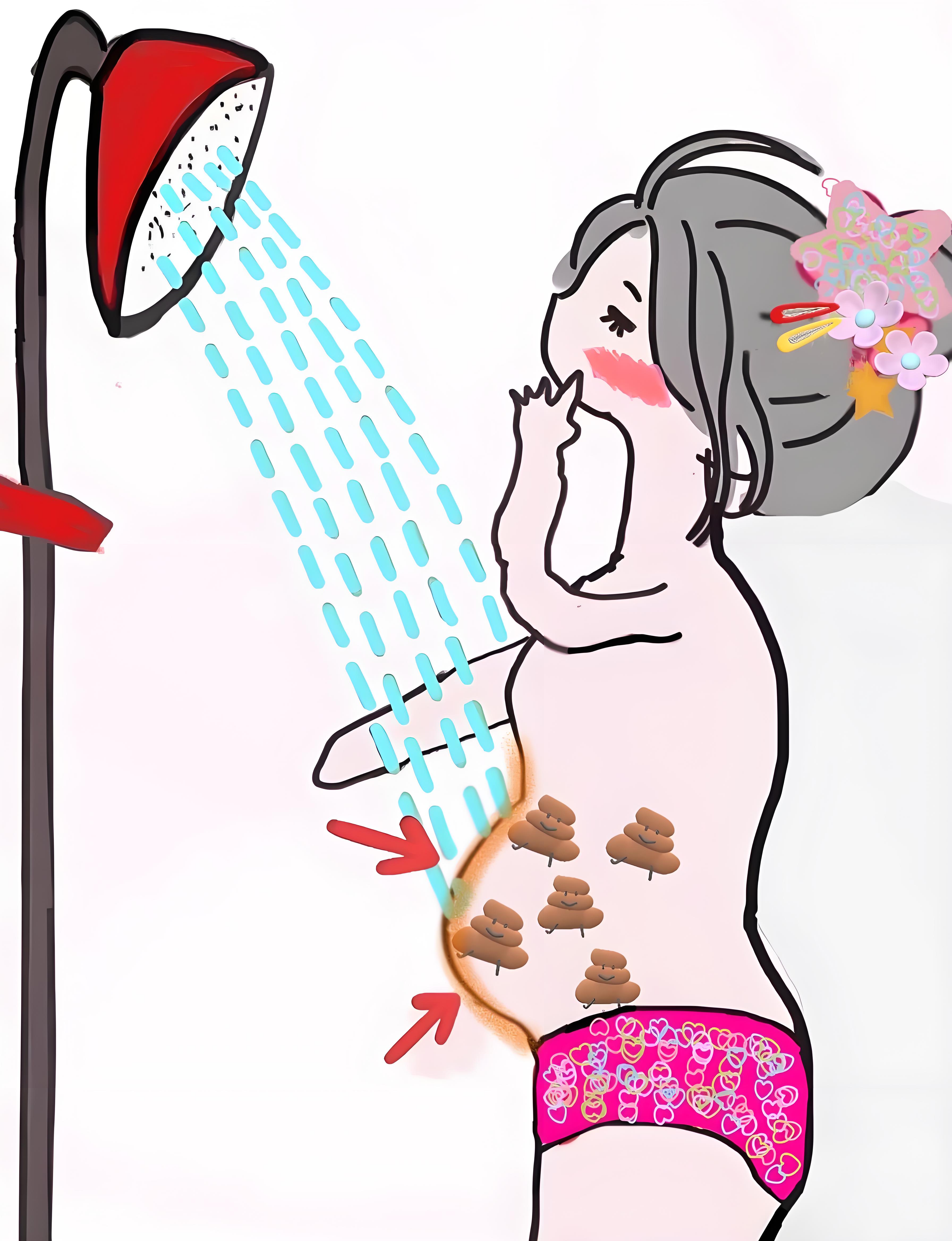
If you do, don't panic. Sometimes these symptoms aren't serious and will gradually resolve with some physical conditioning.
The primary cause is abnormal metabolic function. These abnormalities are generally caused by two factors.
Prolonged exposure to humid environments (such as the rainy season or working in water) allows dampness to enter the body through the skin's pores, affecting the circulation of Qi and blood. Typical symptoms include joint soreness and heaviness, especially in areas with high humidity.
Improper diet (excessive consumption of raw, cold, and greasy foods), staying up late, excessive worrying, or prolonged sitting and lack of exercise can weaken the spleen's transport and transformation functions. In Traditional Chinese Medicine, the spleen is responsible for "transporting and transforming water and dampness." When weakened, water cannot be metabolized properly, resulting in dampness and turbidity. Common symptoms include a thick, greasy tongue coating and sticky stools.
To summarize: it's an imbalance in the body's dampness.
"Dampness" in the body is a concept in Traditional Chinese Medicine theory, referring to the pathological product of an imbalance in water metabolism. It can be categorized as external dampness (invasion of environmental moisture) or internal dampness (abnormal spleen function and transformation). It's not a physical substance in modern medicine, but rather a term used to describe a sub-health condition characterized by "heaviness, turbidity, stickiness, and greasiness," which can cause symptoms such as fatigue, edema, and indigestion.
Through the above analysis, we understand the causes of the symptoms mentioned at the beginning of this article. So, how can we address them? Below, we recommend some methods.
Eat more foods that strengthen the spleen and eliminate dampness: coix seed, red beans, Chinese yam, and winter melon; reduce your intake of cold drinks, sweets, and high-salt foods. Those with damp-heat constitutions can add lotus leaves and corn silk, while those with cold-damp constitutions are suitable for ginger and tangerine peel.
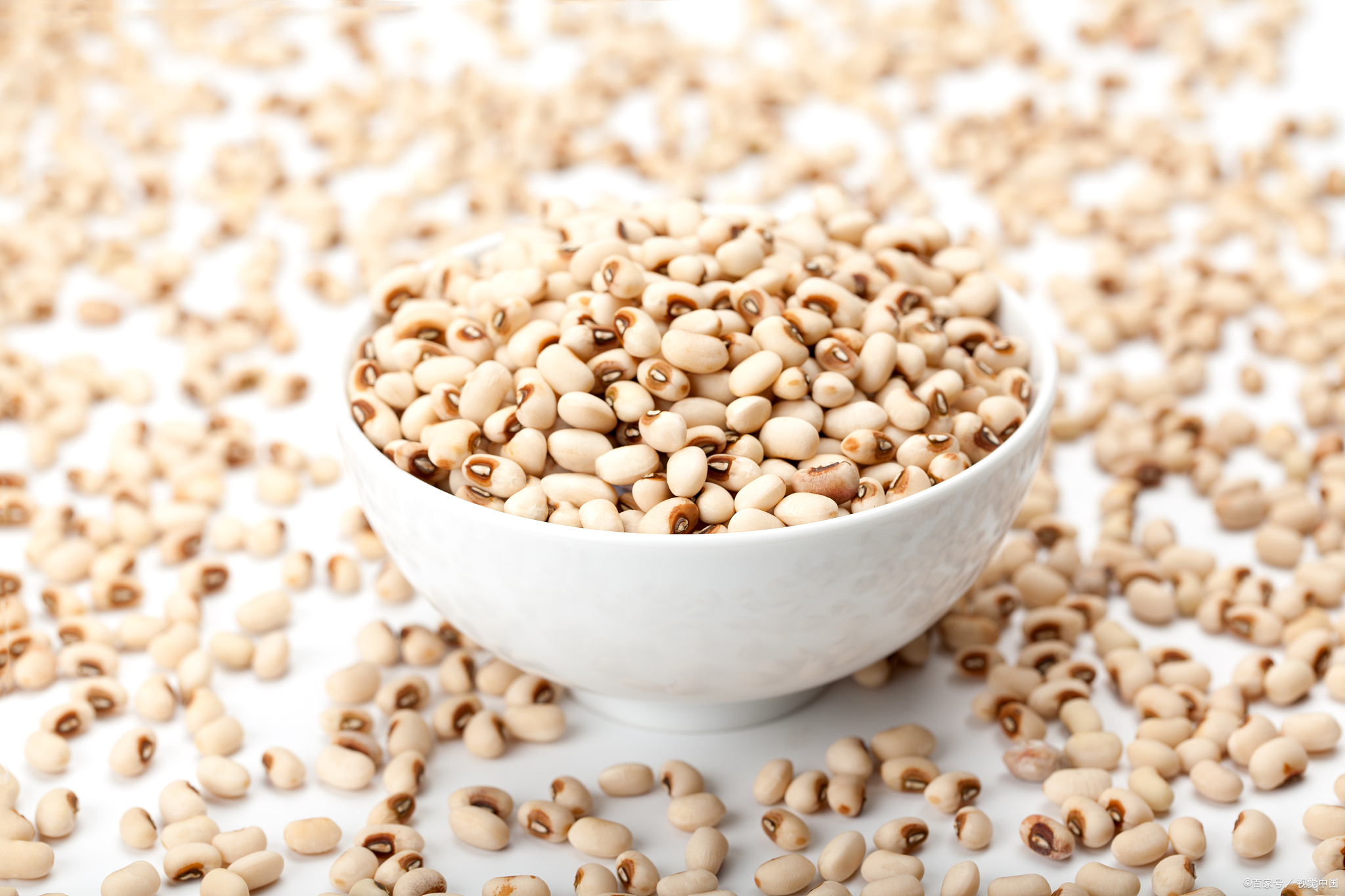
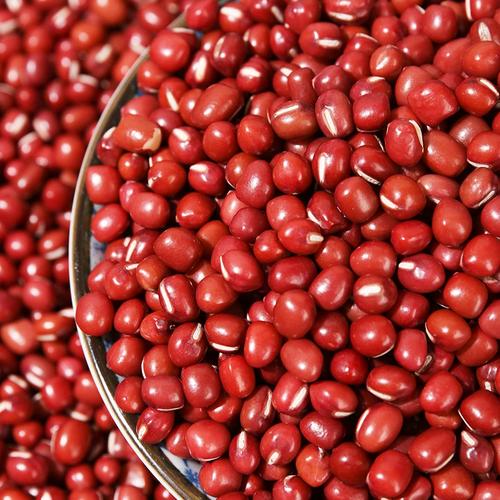
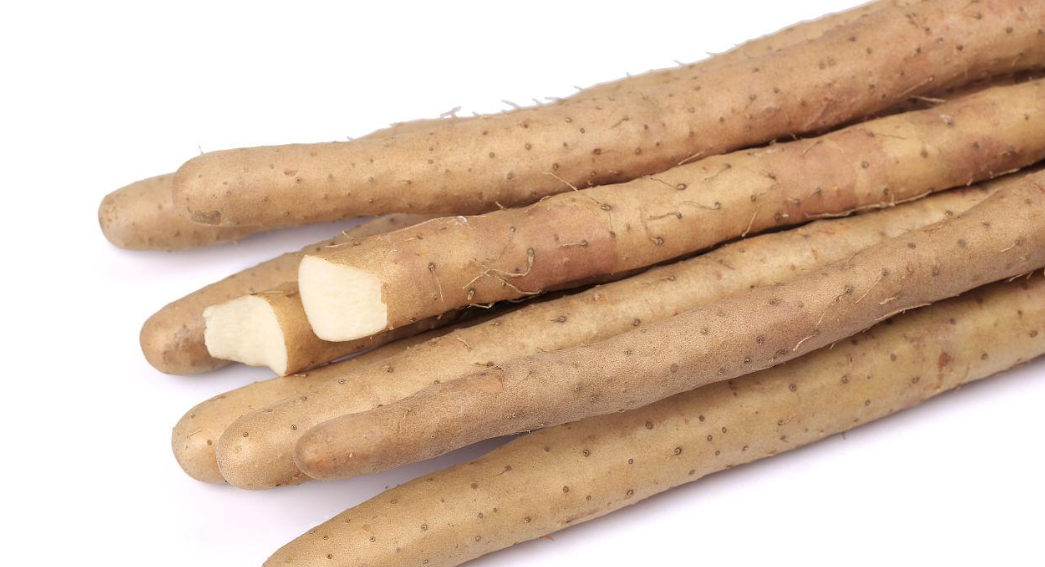
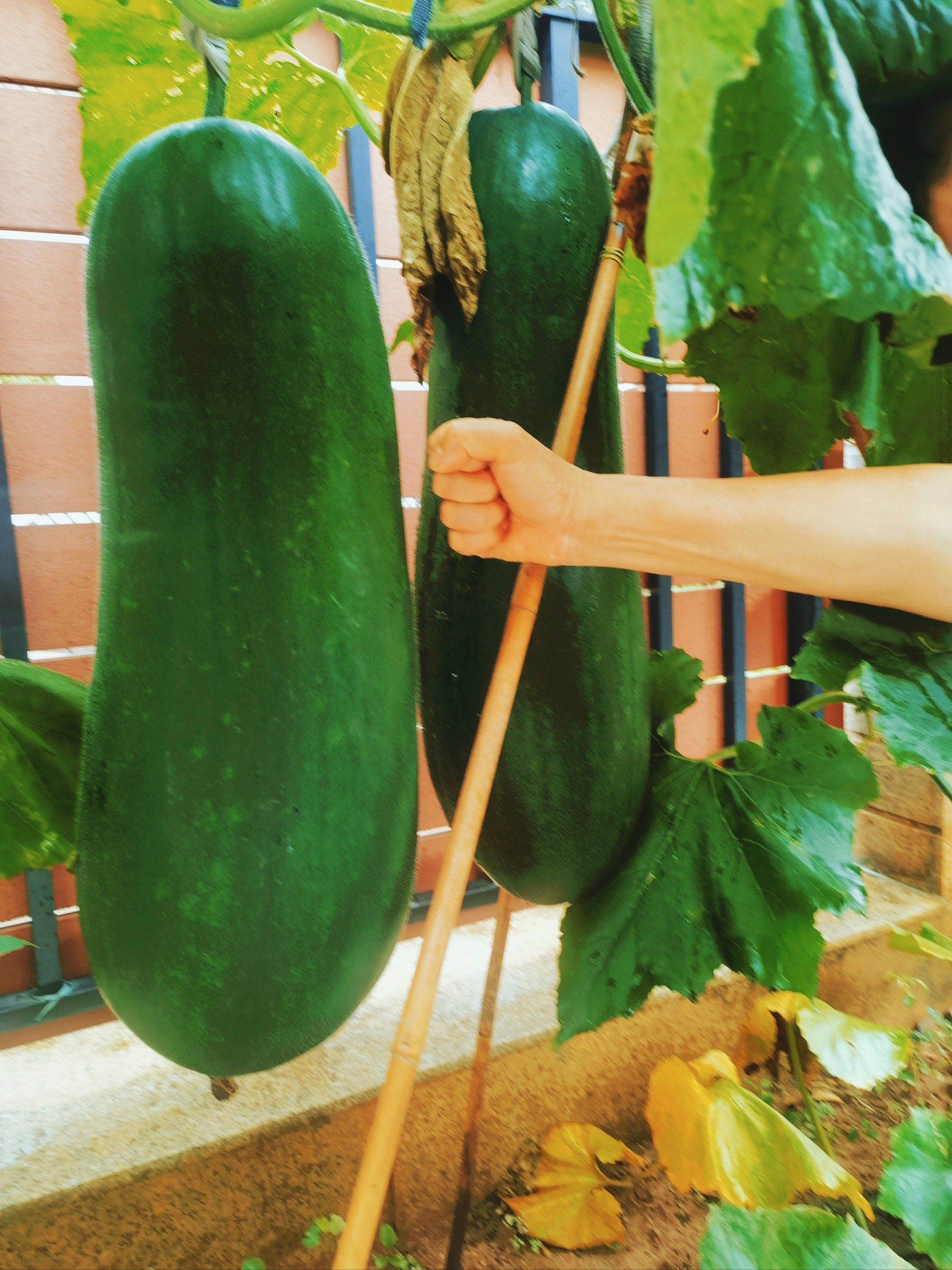
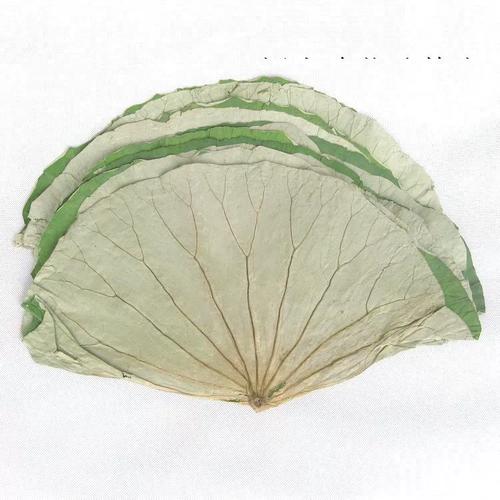
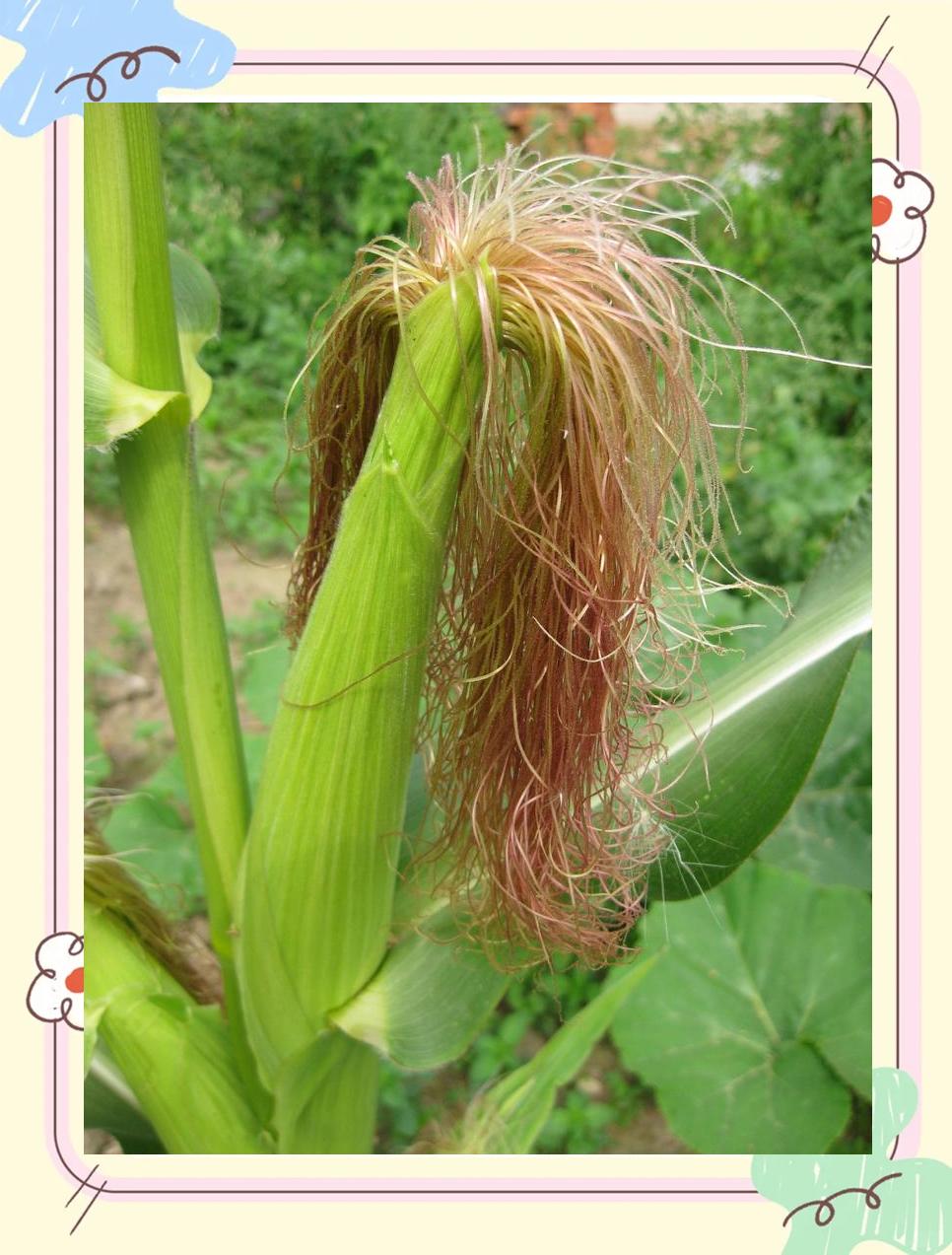
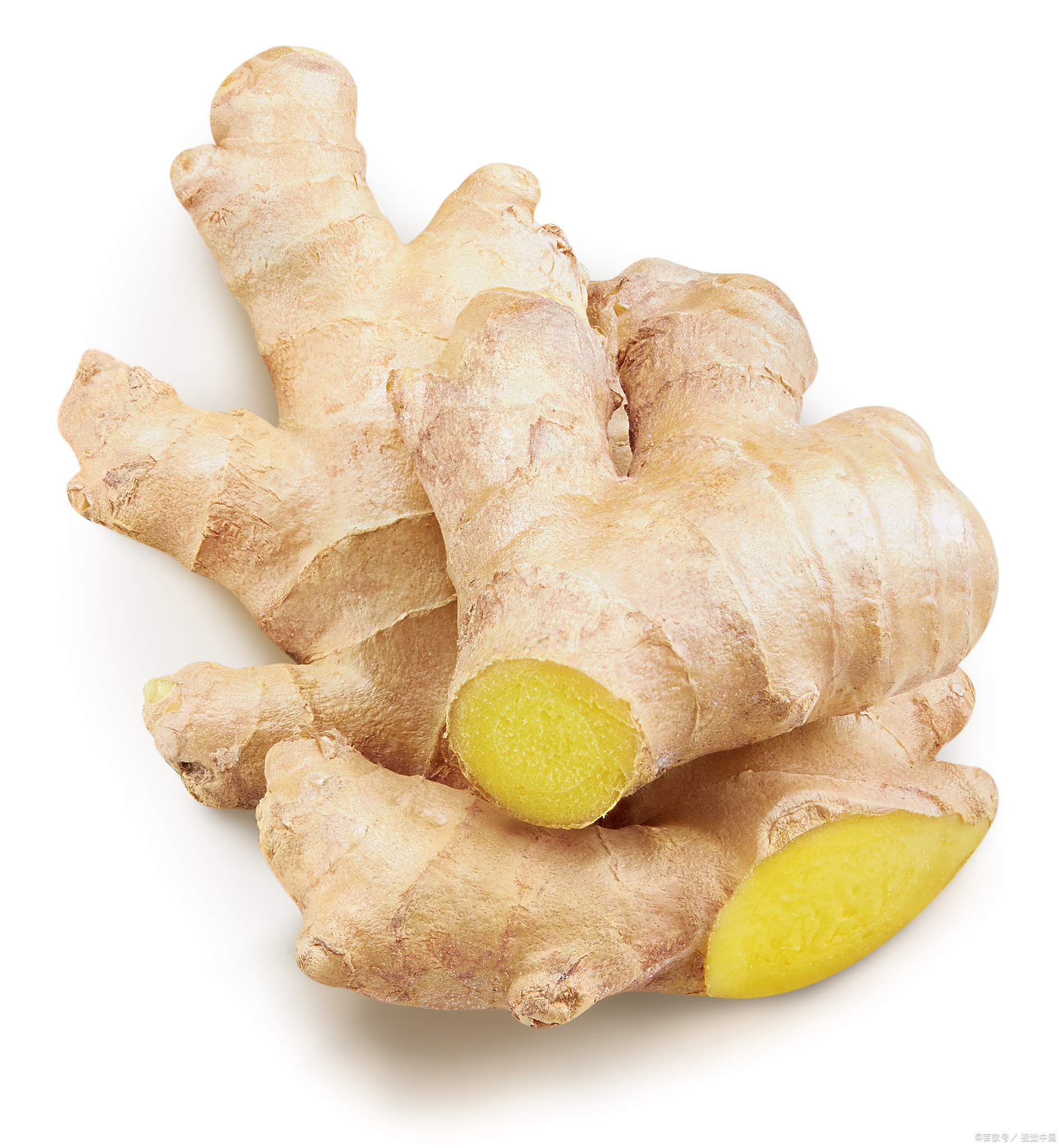
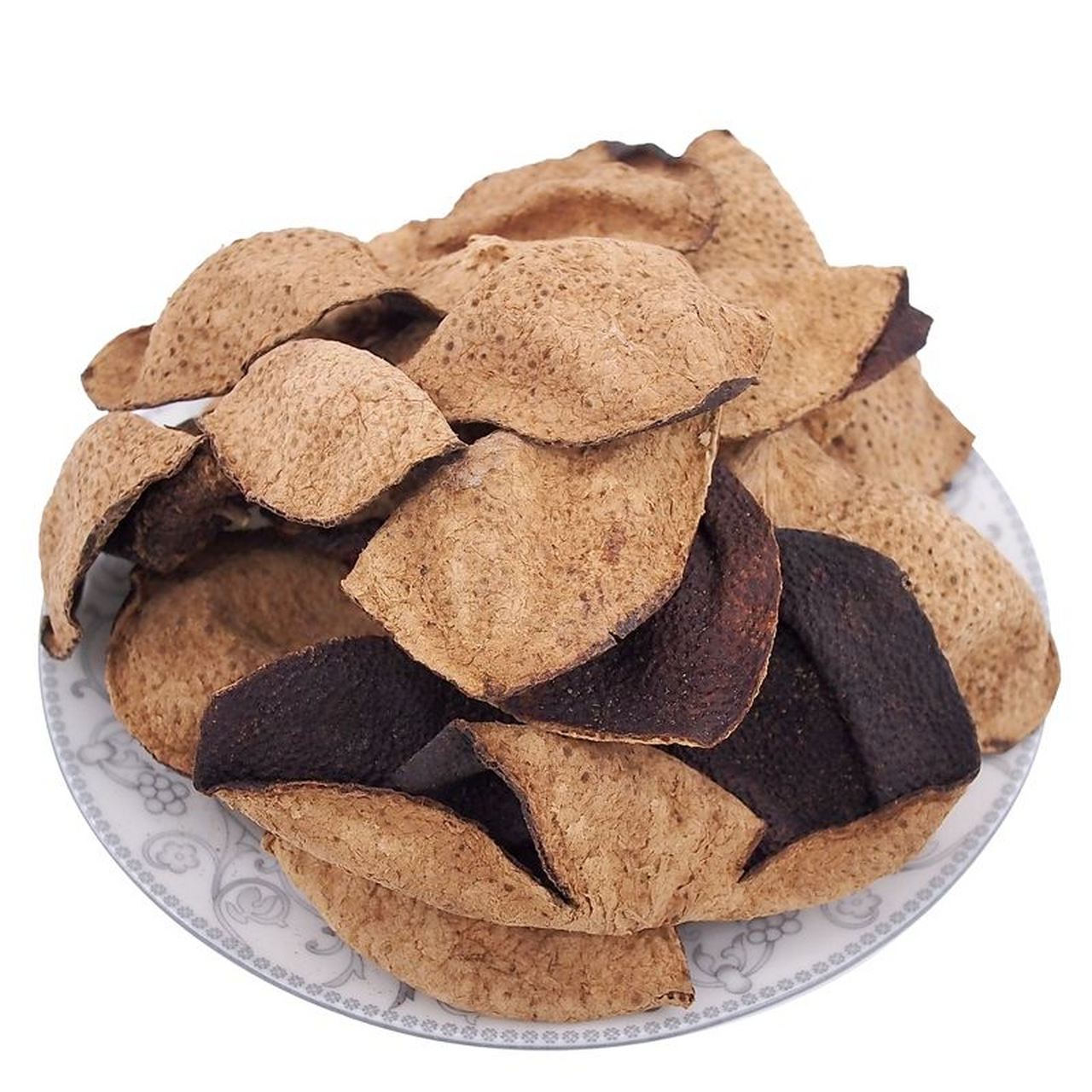
You don't need all of the above ingredients; it depends on your availability.
Maintain a dry and ventilated environment. Avoid getting caught in the rain or wearing wet clothing. Exercise moderately daily (jogging, brisk walking, etc.) to promote perspiration, but wipe dry immediately after sweating to prevent recurrence of dampness.
Both of these methods don't require medication or a high cost. Simply practice them regularly in your daily life and you'll gradually improve your health.
If you experience any symptoms of discomfort, don't panic. See a doctor or consult a specialist. Then, identify the cause and prescribe the right treatment to thoroughly resolve the problem and return to good health.