Health Benefits of Cowpeas: 2 Easy Recipes & Nutritional Power Revealed

This dish is usually overlooked by everyone. It is simple to make and tastes good. It can also be paired with different side dishes. It can be stir-fried or served cold. You can DIY it according to your taste. So, what is this dish? It is cowpea, also known as long bean.
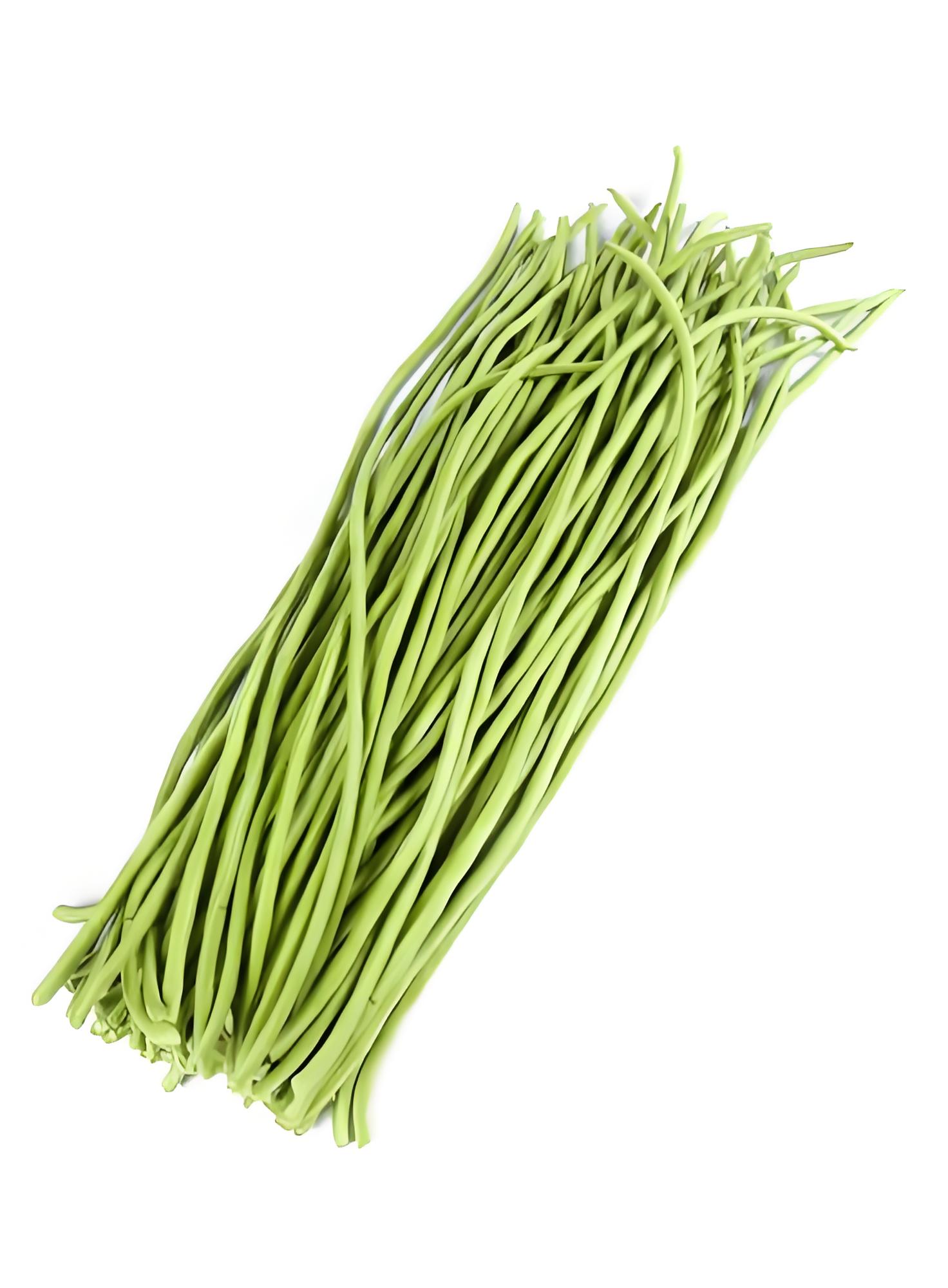
It is definitely a common sight in farmers' markets. Today, I will use cowpea to make two dishes for you, one hot dish and one cold dish.
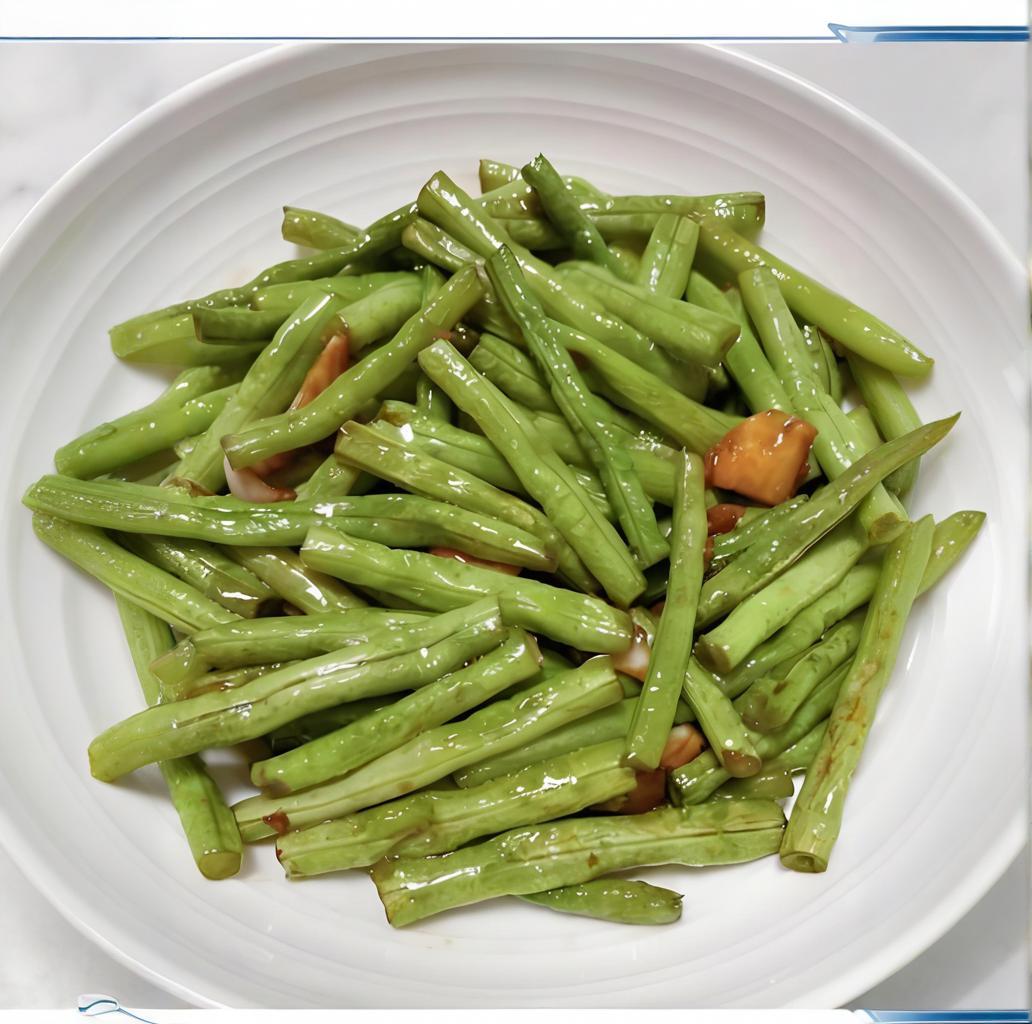
(1) 300g cowpea (wash and remove the head and tail, break into 5cm segments).
(2) 3 cloves of garlic (sliced).
(3) 2g salt.
(4) 10ml cooking oil.
(1) Blanching:
Bring water to a boil in a pot, add 1 teaspoon of salt and a few drops of oil, add cowpea and blanch for 1 minute (the color will be more emerald green), remove and drain.
(2) Sauté the garlic slices:
Heat oil in a pan and fry the garlic slices over low heat until they turn slightly yellow and fragrant.
(3) Stir-fry and season:
Turn to high heat, add the cowpeas and stir-fry quickly for 30 seconds. Season with salt and serve.
(1) Adding salt and oil during blanching can keep the cowpeas bright green.
(2) Stir-fry over high heat throughout the process to prevent the cowpeas from releasing water and becoming soft.

(1) 200g cowpea (cut into thin strips).
(2) 2 chili peppers (cut into rings).
(3) 5g minced garlic.
(4) 10ml light soy sauce.
(5) 10ml balsamic vinegar.
(6) 3g sugar.
(7) A few drops of sesame oil.
(1) Prepare the cowpeas:
Blanch the cowpea strips for 1 minute, remove and chill, drain.
(2) Prepare the hot and sour sauce:
Add light soy sauce, balsamic vinegar, sugar, minced garlic and chili peppers to a bowl and mix well.
(3) Marinate:
Mix the cowpea strips with the sauce, add sesame oil, and refrigerate for 30 minutes for better flavor.
(1) Shredded cowpeas are easier to absorb.
(2) If you like sour sauce, add more vinegar; if you like spicy sauce, add more chili peppers.
Now that we've introduced two delicious cowpea recipes, how can such a common dish actually benefit your health? Next, let's explore the health benefits of cowpeas.
Cowpeas are rich in protein, dietary fiber, vitamin C, vitamin A, calcium, iron, and other minerals.Vitamin C is a powerful antioxidant that boosts immune health and prevents colds and other infections.Dietary fiber helps maintain good intestinal health, facilitating digestion and elimination.The combination of vitamin C and dietary fiber in cowpeas is particularly important for boosting immunity and improving digestive function.
Did you know that cowpeas have surprising benefits for cardiovascular health?
This isn't just an exaggeration; it's backed by solid scientific evidence.
Cowpeas are rich in dietary fiber and minerals, particularly potassium, calcium, and magnesium, which are crucial for maintaining a healthy heart.
Medical research shows that a diet high in potassium helps maintain normal blood pressure and reduces the risk of hypertension.
Potassium helps balance sodium levels in the body, thereby lowering blood pressure.
Calcium and magnesium play a regulatory role in heart health, promoting normal heartbeat and blood circulation.
Research shows that dietary fiber can lower cholesterol levels, thereby reducing the risk of cardiovascular disease.
In addition, cowpeas contain antioxidants, such as vitamin C and other phytochemicals.
These antioxidants can reduce the damage caused by free radicals and slow the progression of arteriosclerosis.
Atheosclerosis is the root cause of many cardiovascular diseases, and cowpeas can help lower blood lipids.
They also protect blood vessel walls, effectively preventing and improving this condition.
Have you noticed that during pregnancy, doctors often advise pregnant women to take more folic acid, especially in the early stages of pregnancy?
Folic acid is particularly important for the development of the fetus's neural tube, and cowpeas are a natural source of folic acid.
In addition to folic acid, cowpeas also contain a high level of protein, vitamin C, calcium, and iron.
This plays a crucial role in maintaining a healthy pregnancy and supporting fetal development.
The protein in cowpeas provides adequate nutritional support for pregnant women, ensuring normal maternal metabolism and healthy fetal growth.
Vitamin C helps boost immunity, protecting pregnant women from infection and illness.
Sufficient calcium and iron support fetal bone development and blood health.
For pregnant women, cowpeas not only provide a rich nutritional base but also help regulate blood sugar and lipid levels.
They can help prevent common conditions like gestational hyperglycemia and gestational hypertension.
The dietary fiber in cowpeas can also help prevent constipation, a common problem during pregnancy.
The vitamin C and other antioxidants in cowpeas, like vitamin E, have a particularly positive effect in combating aging.
As people age, the number of free radicals in their bodies gradually increases. If these free radicals accumulate,
they can accelerate aging and even cause many chronic diseases.
However, antioxidants can neutralize the damage caused by free radicals, slowing the aging process.
Vitamin C is not only the "guardian" of the immune system; it's also a "beauty master" for improving skin.
It promotes collagen synthesis, making skin elastic and smooth, and preventing wrinkles.
The combined vitamin C and vitamin E in cowpeas not only benefit internal health, but also slows the aging process, helping maintain a youthful and vibrant appearance.
For diabetics, controlling blood sugar is a crucial daily task, and cowpeas are an ideal food choice.
The phospholipids and dietary fiber in cowpeas can effectively regulate blood sugar levels and improve insulin sensitivity.
Phospholipids promote insulin secretion and aid blood sugar metabolism, while dietary fiber slows gastric emptying and delays sugar absorption.
This helps prevent drastic blood sugar fluctuations.Medical research has found that dietary fiber intake is negatively correlated with the risk of diabetes.
By increasing dietary fiber intake, diabetics can better control blood sugar levels and reduce the risk of diabetic complications.
With so many benefits, cowpeas are safe to eat. Of course, these benefits require long-term consumption; eating them once or twice will definitely not yield results. Long-term consumption doesn't require every meal; it can be consumed intermittently. Once again, please remember to always cook them thoroughly before eating. Finally, I wish you all good health.