Anemia Symptoms & Natural Remedies: Vinegar-Soaked Black Fungus Recipe

Some women may suffer from anemia due to menstruation. Do not ignore this. It can be a mild illness or life-threatening in severe cases. Not only women, but also men may suffer from anemia. You can compare the following symptoms to see if you are anemic.
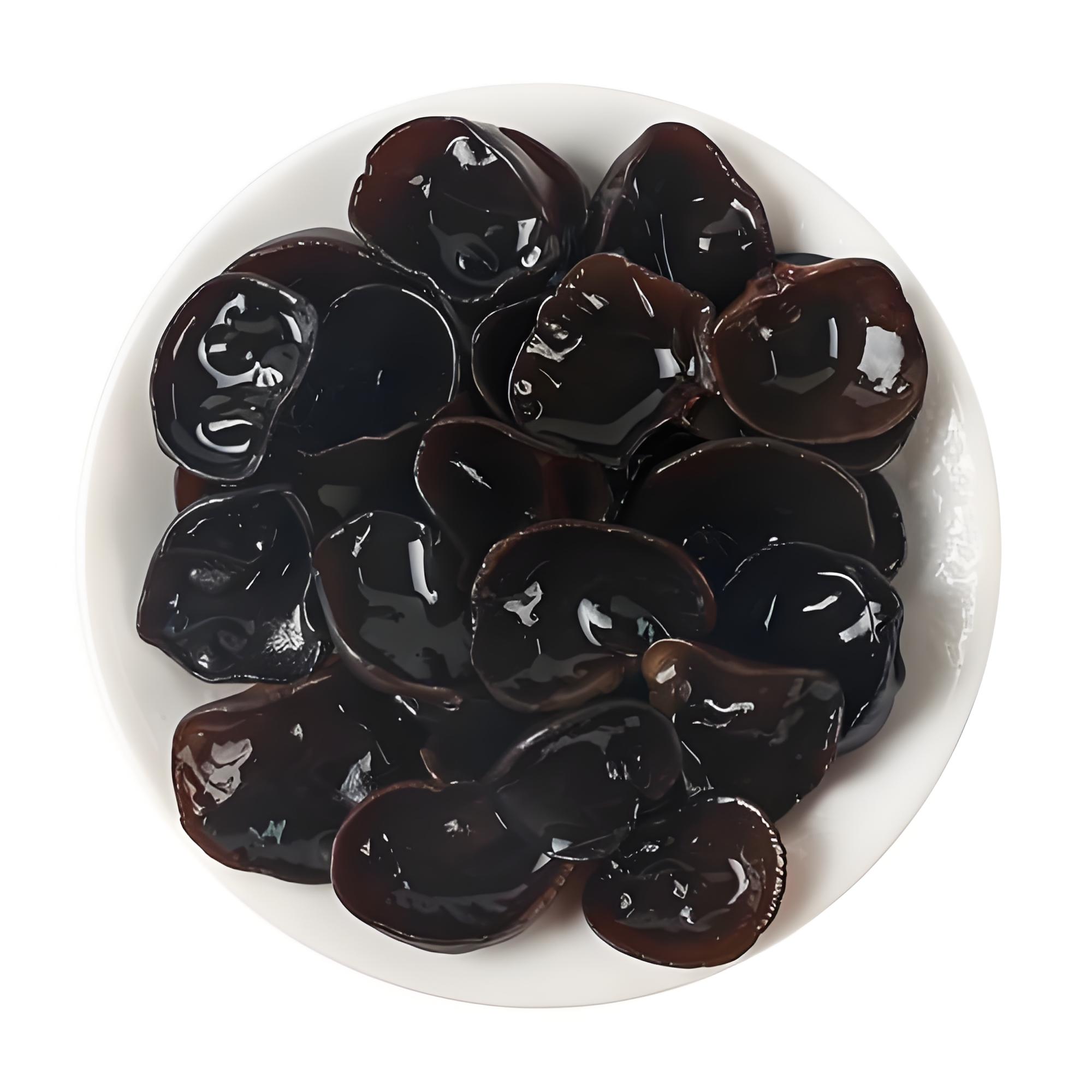
(1) Fatigue: Hypoxia leads to energy metabolism disorders, making daily activities tiring and even difficult to relieve after rest.
(2) Dizziness and headache: Insufficient oxygen supply to the brain may cause dizziness, inattention or memory loss.
(3) Palpitations and shortness of breath: The heart needs to speed up pumping blood to compensate, which may cause rapid heartbeat and difficulty breathing after exercise.
(1) Increased heart burden: Long-term anemia may cause heart enlargement (anemic heart disease) or even heart failure.
(2) Pregnancy complications: Anemia in pregnant women increases the risk of premature birth and fetal growth retardation. (3) Childhood developmental delay: affects physical and intellectual development, and reduces learning ability.
(1) Susceptibility to infection: A decrease in red blood cells may be accompanied by abnormal white blood cells, increasing the risk of bacterial/viral infection.
(2) Slow wound healing: weakened tissue repair ability.
(1) Iron deficiency anemia: may be accompanied by pica (such as chewing ice, eating dirt), and brittle nails.
(2) Megaloblastic anemia (lack of folic acid/B₁₂): may cause nerve damage (numbness of hands and feet, unsteady gait).
(3) Hemolytic anemia: jaundice, splenomegaly, and in severe cases, acute renal failure.
Based on the above description, you can check for yourself to see if you have anemia. To deal with anemia, today I will introduce a dish that can replenish blood: vinegar-soaked black fungus.
Black fungus is rich in nutrients. When soaked in vinegar, it not only improves the taste but also enhances certain health benefits. The following is a detailed preparation method.
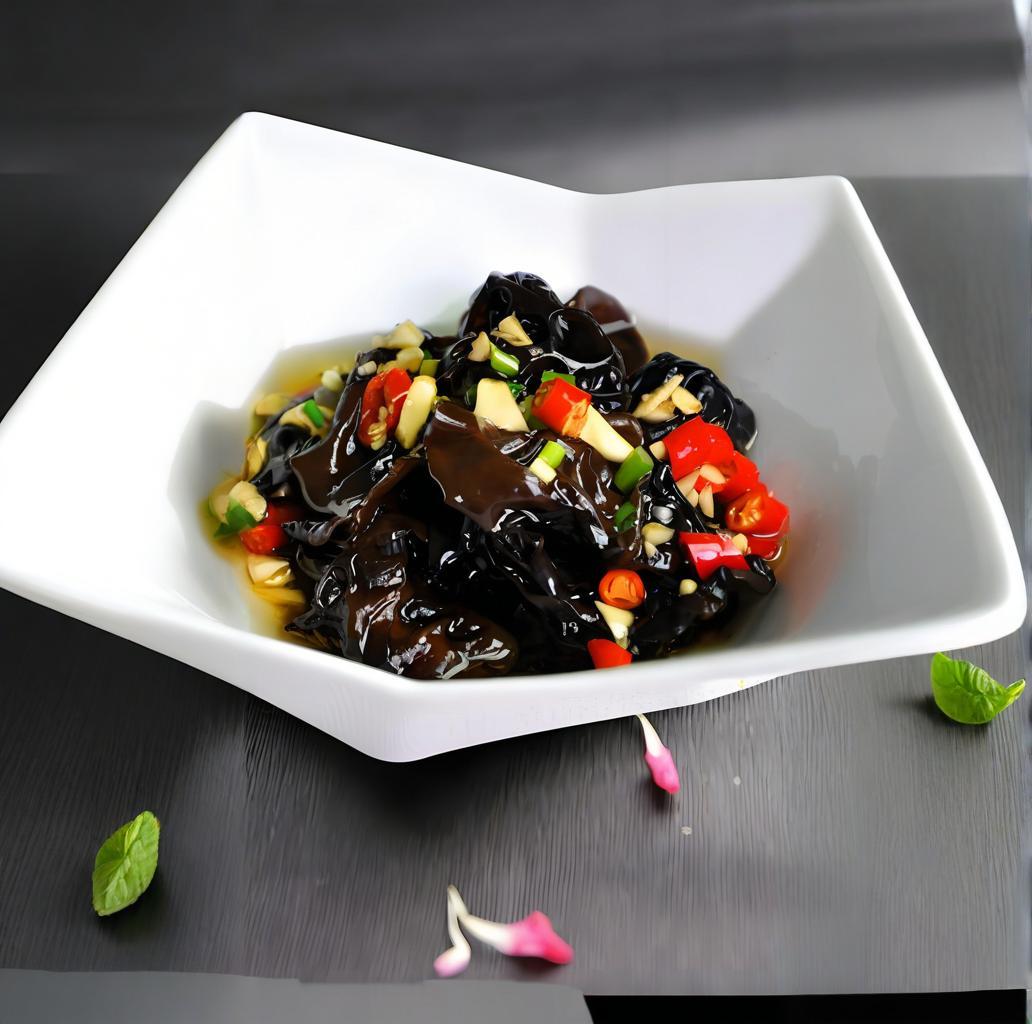
(1) 15g dried black fungus (about 150g after soaking).
(2) 50ml aged vinegar/rice vinegar (preferably brewed vinegar).
(3) 10ml light soy sauce.
(4) 10g minced garlic.
(5) 1 chili pepper (optional).
(6) 3g white sugar (optional, to balance the sourness).
(7) A few drops of sesame oil.
(1) Soaking black fungus: Soak dried black fungus in cold water for 2 hours (hot water will affect the taste), remove the roots and wash.
(2) Blanching to remove fishy smell: Boil the water and add the black fungus, cook for 2-3 minutes, remove, and rinse with cold water (to keep it crisp).
(3) Prepare the vinegar sauce: Add aged vinegar, light soy sauce, minced garlic, chili pepper, and sugar to a bowl and mix well.
(4) Soak the fungus in the sauce: Place the fungus in a sealed container, add the vinegar sauce, and refrigerate for at least 2 hours (overnight is better).
(5) Season before serving: Remove the fungus and add a little sesame oil, sprinkle with coriander or sesame seeds to enhance the flavor.
(1) Patients with excessive stomach acid or gastric ulcers should eat less.
(2) Patients with bleeding disorders (such as before and after surgery) should avoid eating fungus (funfurnace has an anticoagulant effect).
Now that we have introduced a delicious cool-soaked black fungus, we need to explain that food is not medicine. It cannot cure anemia immediately. It requires a continuous process. During this process, people with anemia need to insist on eating blood-enriching foods. They do not have to eat them every day, but 3-4 times a week. Foods that can replenish blood are not just black fungus, but also dates, longan, black beans, pork, beef, and other foods. Those with anemia can choose their favorite foods to create delicious dishes.
Replenishing blood through food isn't a quick fix; it requires a continuous process. During this process, you should regularly consume blood-enriching foods to achieve the desired effect.